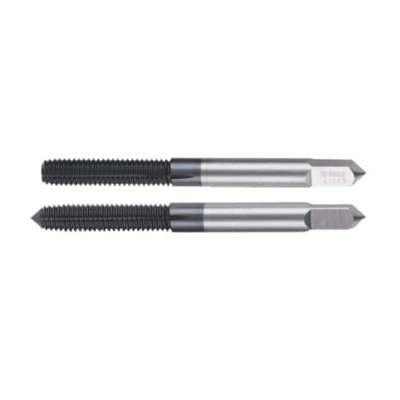
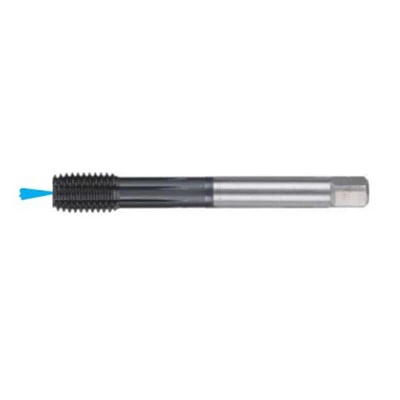
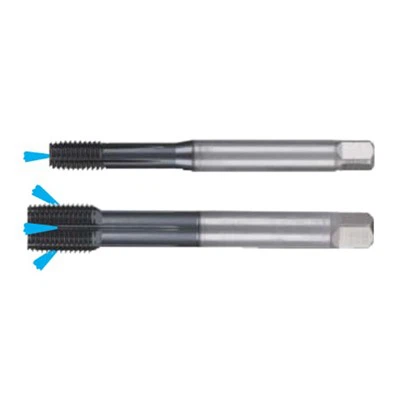
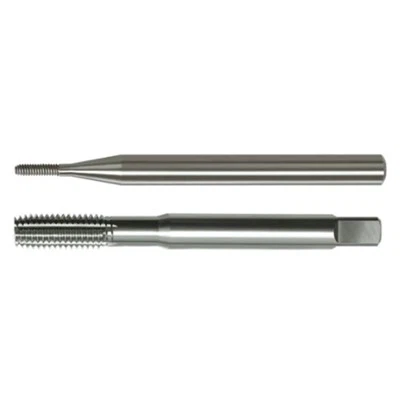
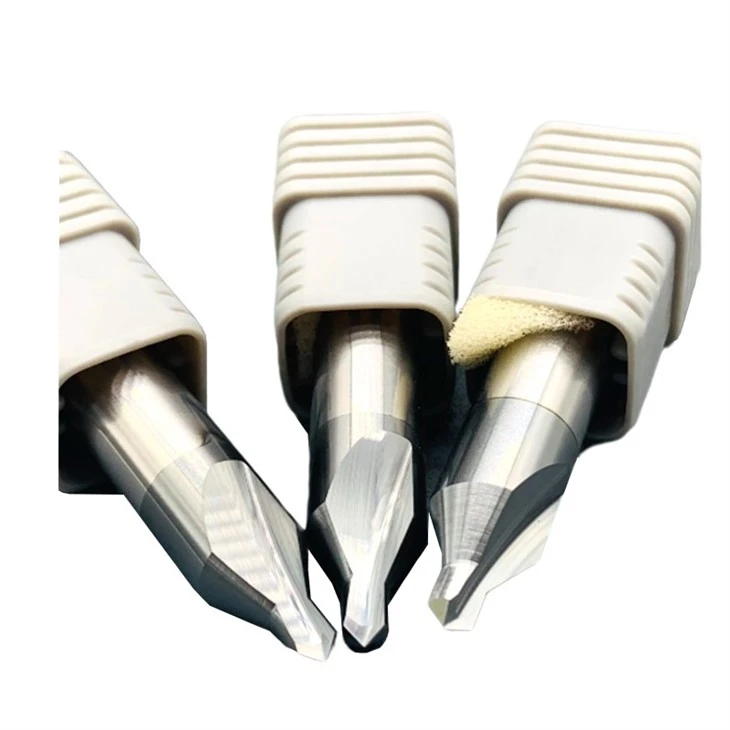
Q: What is a solid carbide tap?
A: A solid carbide tap is a tool used for cutting threads in a variety of materials. It is made entirely of carbide material and is known for its high precision and durability.
Q: What are the advantages of solid carbide taps over other types of taps?
A: Solid carbide taps offer several advantages over other types of taps, including increased tool life, better wear resistance, higher precision and accuracy, and increased productivity.
Q: What materials can be tapped with a solid carbide tap?
A: Solid carbide taps can be used to tap a wide range of materials, including stainless steel, aluminum, titanium, brass, copper, and nickel alloys.
Q: How are solid carbide taps made?
A: Solid carbide taps are made using a process known as powder metallurgy. This involves mixing carbide powder with a binding agent and compressing it into the desired shape. The material is then sintered under high heat and pressure to form a solid, durable material.
Q: What are the different types of solid carbide taps?
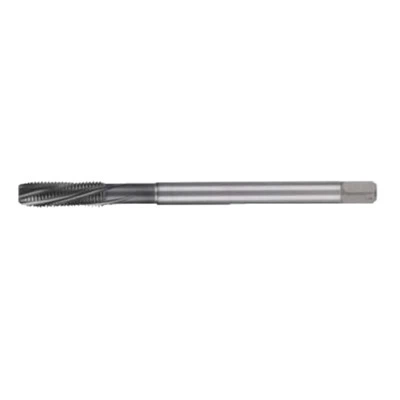
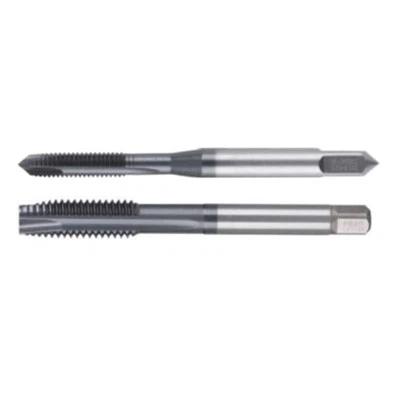
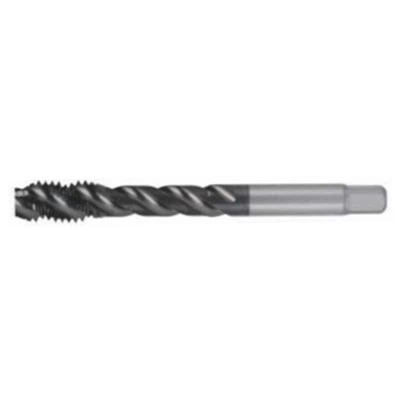
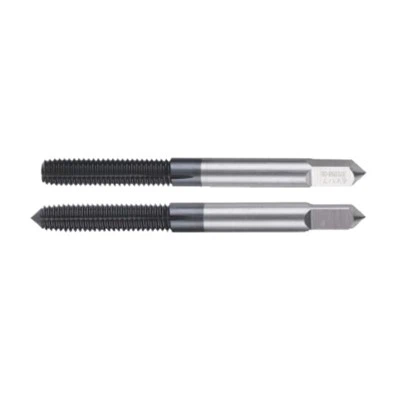
A: There are several different types of solid carbide taps available, including straight flute taps, spiral point taps, spiral flute taps, and combination taps.
Q: What factors should be considered when selecting a solid carbide tap?
A: When selecting a solid carbide tap, it is important to consider factors such as the material being tapped, the thread size and pitch, the tapping depth, and the machine being used.
Q: How should solid carbide taps be maintained and cared for?
A: Solid carbide taps should be kept clean and free of chips and debris. They should also be lubricated and cooled properly during use. After use, they should be stored in a dry, cool place to prevent rust and corrosion.
Q: Which is better HSS or carbide?
A: Carbide is much harder, so it has a longer tool life and faster cutting data than conventional HSS. The downside of that hardness is brittleness, so the cutting edge on carbide tools can quickly fracture or chip in certain situations.
Q: What is the hardness of a carbide tap?
A: When to Use Carbide Taps. While high speed steel (HSS) taps have a practical top limit of around 35-40 HRC before tool life becomes severely limited, carbide is often used in materials with hardness up to 65 HRC (the ones that chew up HSS in no time).
Q: What is a carbide tip used for?
A: Carbide tips are widely used in various industries for cutting, drilling, and machining applications. They offer excellent hardness, wear resistance, and heat resistance, making them ideal for cutting tough materials such as metal, wood, and composites.
Q: Why is carbide used as a cutting tool?
A: Carbide tipped tools retain their cutting edge hardness at high machining temperatures generated by high cutting speeds and feeds that reduce machining cycle time. Carbide tipped tools improve surface finish and hold size far longer for better quality.
Q: What are the disadvantages of carbide?
A: Cemented carbides have some drawbacks including lower toughness, lower resistance to mechanical and thermal shock, and higher cost to process and fabricate.
Q: How hard is solid carbide?
A: The Mohs' hardness of tungsten carbide is “9.” It boasts a level of hardness second to diamond.
Q: Which is the toughest carbide?
A: Cemented carbide is one of the hardest and most successful composite engineering materials ever produced. Its unique combination of strength, hardness, and toughness satisfies the most demanding applications.
Q: What are the advantages and disadvantages of carbide tip?
A: Carbide or carbide tipped cutting tools are more efficient compared to high speed because they retain their cutting edge hardness at high machining temperatures. While carbide wears longer than other materials, once it becomes dull it can be very difficult to sharpen solid carbide or brazed carbide edges.
Q: Will carbide tip cut concrete?
A: Carbide drill bits are a great choice, as they're long and thick and will cut through concrete easily. These specialized drill bits will help you tackle concrete with ease. They have several features that make them especially well-suited for working with this material.
Q: What is the negative side of using carbide tipped blades?
A: Carbide saw blades are optimal tools, but they are not cheap. Carbide is an extremely hard material, and it cuts through softer material with ease. But the downside to carbide is that it is very brittle and easy to damage.
Q: Can carbide cut through steel?
A: Cutting stainless steel is a common job in construction and vehicle building. Thanks to Bosch Carbide Technology, sheet metal can now be cut effectively with a jigsaw or a reciprocating saw blade. All you need is a blade with carbide teeth and, typically, a fine-tooth pitch.
Q: What do you cut carbide with?
A: Diamond. A standard cut off wheel will make a considerable dent in carbide, it takes a little while, but its cheap, and once you get it scored pretty good, it should break.
Q: Is carbide sharper than steel?
A: In a nutshell, carbide is a lot harder and as a result, more brittle. That final hone crumbles the edge, whereas HSS burrs rather than crumbles, ultimately leaving a sharper edge.
Q: Why is carbide so expensive?
A: Compared with other metals, carbide is very expensive because it contains cobalt, which is severely short and has very high demand in various fields such as batteries for smartphones, or other electrical appliances.