Q: What is a carbide drill?
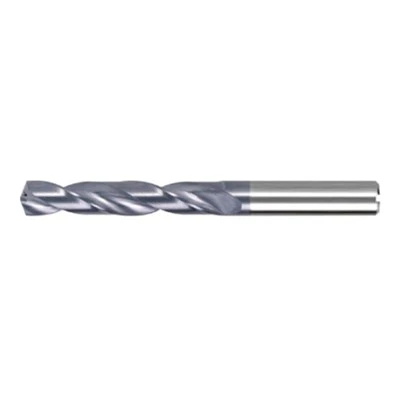
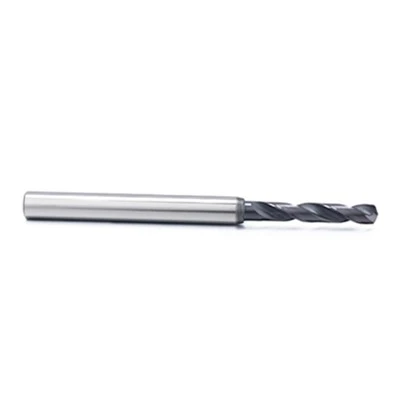
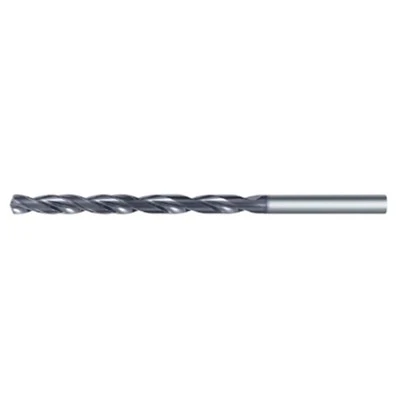
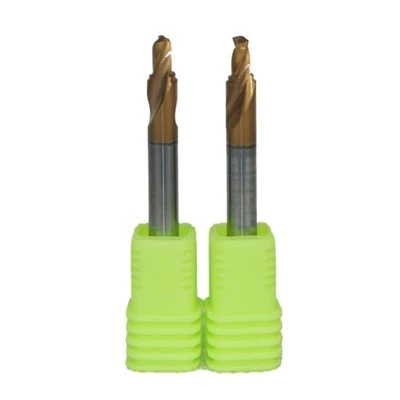
A: A carbide drill is a drill bit made from tungsten carbide, a highly durable and heat-resistant material. Carbide drills are commonly used for drilling through tough materials such as metals, ceramics, and composites.
Q: What are the benefits of using a carbide drill?
A: Carbide drills offer several advantages over traditional high-speed steel drills. They last longer, are more resistant to heat and wear, and can maintain their sharpness over multiple uses.
Q: What types of materials can be drilled with a carbide drill?
A: Carbide drills are typically used for drilling through hard and tough materials such as metals, ceramics, and composites. They can also be used for drilling through softer materials like plastics, wood, and rubber.
Q: What is the difference between a carbide drill and a cobalt drill bit?
A: Carbide drills are made with tungsten carbide, while cobalt drills are made with a high-speed steel alloy that contains cobalt. Carbide drills are typically more expensive, but they can last longer and drill through harder materials than cobalt drills.
Q: What is the proper way to use a carbide drill?
A: To use a carbide drill, ensure that it is properly centered and secured in the drill chuck. Apply steady pressure and keep the drill lubricated with cutting fluid to reduce heat and prolong the life of the drill bit.
Q: How can I sharpen my carbide drill?
A: Carbide drills can be sharpened using a diamond sharpening wheel or stone. However, it's best to leave sharpening to professionals who have the appropriate equipment and expertise to ensure the drill bit is properly sharpened to the correct angle.
Q: How do I know if my drill is carbide?
A: The first difference you may notice about your carbide and HSS tooling tips is the weight! Carbide tools are significantly heavier than HSS. In fact, for the same size of tool, carbide is roughly double the weight of HSS, so even a smaller carbide tool will be heavier than a larger HSS tip, up to a point.
Q: Do carbide drill bits break easily?
A: Hardness refers to the surface of the material – essentially, how easy it is to scratch or dull its surface – while brittleness refers to how easy it is to break. So while carbide drill bits are very hard, and can cut through some of the most difficult materials, they're also brittle and can break if not used properly.
Q: Which is better HSS or carbide drill bit?
A: Because it could cut metal much more quickly than the hardened carbon steel tools of the day, they dubbed it high-speed steel. As you will see, that moniker has since become a bit misleading, as tungsten carbide cutting tools—though a bit less forgiving than HSS—are far faster and therefore much more productive.
Q: Which drill bit is better carbide or cobalt?
A: Carbide drill bits are typically harder than cobalt drill bits, although both are suitable for drilling stainless steel and other hard metals. However, Carbide drill bits retain their sharpness for a longer period than cobalt drill bits.
Q: Why use carbide drills?
A: Compared to other bits such as cobalt drill bits, these carbide-tipped bits stay sharper for longer. They have a higher cutting speed and can also withstand higher temperatures. Besides masonry, these bits are tough enough to use on metals such as cast iron, steel, bronze, aluminium, copper, and other hard materials.
Q: What is the toughest drill bit?
A: Carbide
The hardest and most brittle of the drill bit materials, it's used mostly for production drilling where a high-quality tool holder and equipment is used. It should not be used in hand drills or even drill presses. These bits are designed to drill into the hardest materials.
Q: Are carbide drill bits worth it?
A: Because of their strength, they can be used to drill materials that ordinary drill bits could not penetrate, such as steel. With a carbide drill bit, it's unlikely you'll come up against anything that you can't drill through!
Q: Which is better titanium or tungsten carbide drill bits?
A: Titanium has a density of 4.506 g/cm³ and Tungsten Carbide has a density of 15.63 g/cm³. Titanium does offer superior tensile strength of 434 MPa compared to Tungsten Carbide's 344.8 MPa. When weight is a critical factor then Titanium is a superior choice because Tungsten Carbide is four times heavier than Titanium.
Q: Which is better carbide tipped or diamond tipped drill bit?
A: Glazed ceramic tiles often require a carbide bit, while porcelain and glass tiles call for a diamond-tipped bit because they are much harder. Don't worry if you don't know which type of tile is installed in your house.
Q: What is the best drill bit for hardened steel?
A: When it comes to drilling hardened steel, carbide drill bits are the champions. The carbide drill bit has exceptional hardness and resistance to high temperatures make them ideal for this task.
Q: What does HSS G stand for on a drill bit?
A: High-speed steel ground metal drill bits
HSS-Gbits are ground at the tip and along their flutes. The material of these bits is ground directly into shape with the use of a grinder.
Q: What is the best drill bit made of?
A: Cobalt (HSCO) drill bits are made from high-speed steel with added cobalt, which enhances their strength and heat resistance. They can withstand higher temperatures and are less prone to dulling. Cobalt drill bits are ideal for drilling through hard metals, such as stainless steel, cast iron, and titanium.
Q: Do carbide drills need a spot drill?
A: However, if you use a carbide drill, or a screw machine length drill, spotting is typically not needed. The carbide itself is rigid compared to HSS, so the drill will go where it is pointed.
Q: What drill bit stays sharp longest?
A: Titanium-coated HSS drill bits produce less friction. They're tougher than basic HSS bits and stay sharp longer.